
Introduction
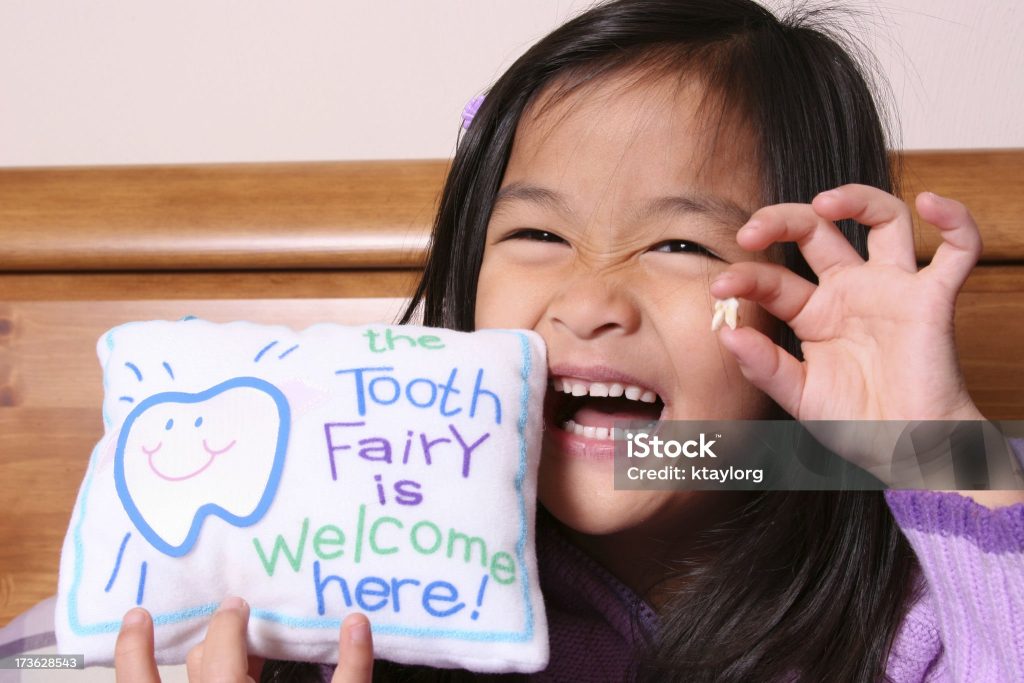
Few traditions from childhood are as dear to millions of children as the visit of the tooth fairy. Countless numbers of kids bury a lost tooth at the foot of their bed only to receive a present from the mysterious fairy in the middle of the night. The tradition evokes a magical feeling in every child and has been existing for decades. Nowadays, the figure of the tooth fairy has become a popular and beloved tradition across the globe. However, the customs associated with the fairy may vary from family to family.
Tooth Fairy Description
The tooth fairy is a mythical being who supposedly visits children in their sleep to take away their lost tooth. In exchange for the taken teeth, the fairy leaves a Monetary Reward Systems, a present, or a note for the child.
Unlike the traditional fairy tales, the custom related to the tooth fairy has numerous variations. Depending on the family’s beliefs or attitudes, the tooth fairy may be portrayed as a cute little fairy with wings who comes to the child’s room in the middle of the night or as a magical creature that disappears in the morning instead of the mom. For many families, having a tooth fairy is not about the reward, but about the magical experience itself.
Tooth Fairy History
The tradition of having a tooth fairy is relatively recent, as the concept itself has been created only a century ago. However, the belief in tooth fairies or other mythical beings related to losing teeth has existed for thousands of years. In ancient times, people thought that the child’s teeth had to be taken away somehow to preserve his or her health or to ensure a good fortune. Various ceremonies and rituals were held to achieve this goal. Different cultures used to bury or burn their children’s baby teeth to protect them from evil spirits. Others had a belief that a child’s teeth had to be removed before the child’s teeth could be replaced by adult ones. Some cultures even believed that teeth were the property of the mouth and could be removed for a better fit.
- Burying baby teeth to encourage healthy adult teeth.
- Throwing teeth onto rooftops while making wishes.
- Offering teeth to animals as a symbol of strength.
- Keeping teeth as family keepsakes.
The familiar fairy who takes teeth and replaces them with money became popular on google and widely known in the early twentieth century.
The tooth fairy tradition and its importance
At first glance, the tradition of the tooth fairy does not seem to have any particular value. However, it turns out that there are several essential reasons why losing teeth should be celebrated.
The importance of the tooth fairy tradition:
Making the process of losing teeth less traumatic for children
A child can be frightened and surprised by the fact that his teeth start to fall. Replacing them with money makes the process exciting, not traumatic.
Making the growth more enjoyable
A child is growing up and becoming more responsible day by day. Losing a tooth is an event that makes a child realize he is growing up. That is why parents often try to celebrate it, making the child feel that he is becoming more mature.
Making the process of teeth caring more fun
Children often have difficulties with brushing their teeth and taking care of their teeth in general. Parents need to encourage them and explain the importance of proper dental hygiene. Some parents leave notes encouraging their children to take care of their teeth and reward them for it. Thus, they make brushing teeth a fun activity.
Child teeth loss age: when do children start to lose their teeth?
Teeth usually start to fall out when children are about five to seven years old. However, each child has an individual schedule. On average, it looks like this:
| Age | Dental Milestone |
| 5–7 years | First baby teeth become loose |
| 6–8 years | Front teeth usually fall out |
| 9–12 years | Side and back baby teeth are replaced |
| 12–13 years | Most permanent teeth have appeared |
Dentists generally agree that slight variations are completely normal.
How Much Money Does the Tooth Fairy Leave?
There is no universal amount.
The value often depends on family traditions, local customs, and personal preferences.
Common choices include:
- $1 for each tooth
- $2 to $5 for special occasions
- Small toys instead of cash
- Books or stickers
- Personalized notes
- Coins from different countries
Many parents also choose a larger reward for the very first lost tooth, making it an especially memorable milestone.
Creative Tooth Fairy Ideas for Families
There is no need to spend a fortune on the tooth fairy. Here are some creative ideas to keep the tradition interesting for your kids:
Write a Magical Letter
Your child will enjoy reading a note from the tooth fairy congratulating them on taking such good care of their teeth.
Sprinkle Some Fairy Dust
Add some fun by leaving a trail of biodegradable glitter or even paper stars for the fairy to find on her way to your child’s room.
Try Using a Special Tooth Pillow
The tiny tooth pillow makes it much easier for the tooth fairy to collect teeth without waking up the child.
Make a Tooth Fairy Certificate
Make a certificate that your child can personalize for every tooth lost to the tooth fairy.
Leave Some Tiny Footprints
Some parents like to make tiny footprints out of washable powder for the tooth fairy to follow on her way to their child’s room. This is a fun tradition that makes losing teeth more exciting for kids.
International Tooth Fairy Traditions
While most countries have their own unique take on the tooth fairy tradition, many people around the world still participate in the custom.
In Spain and Latin America, many children look forward to seeing Ratoncito Pérez, a tooth fairy mouse, sneak into their rooms at night and collect their baby teeth.
French children also look forward to seeing La Petite Souris, another famous little mouse who collects their lost teeth.
In Japan, children throw their baby teeth up into the air if they are upper teeth or throw them behind their heads if they are lower teeth. They do this to wish for straight teeth as adults.
In many Middle Eastern countries, children throw their lost teeth towards the sky and say a little prayer or wish.
Modern Tooth Fairy Trends
The tooth fairy has adapted surprisingly well to today’s world.
Families now enjoy creative additions such as:
- Personalized fairy letters available online.
- Tooth fairy apps and printable certificates.
- Keepsake boxes for storing baby teeth.
- Customized fairy doors and decorations.
- Educational books about dental health.
Social media has also inspired parents to share imaginative ideas that make the tradition even more memorable.
Should Parents Encourage Belief in the Tooth Fairy?
There are no right or wrong answers.
Some parents enjoy the tradition, and some do not, and some tell it only as a story, and do not stress it as something to believe in.
Many doctors say that pretending and imagination help foster a child’s creativity, a sense of adventure, and an understanding of other peoples feelings. Most children outgrow the belief in Santa, and move on to understand that it is only a family tradition that their parents enjoy.
The most important thing is to nurture the child’s curiosity, and let him have fun.
Tips for Making the Experience Special
A memorable tooth fairy visit doesn’t have to be expensive.
Consider these ideas:
- Celebrate the first lost tooth with a family photo.
- Keep a journal of every lost tooth.
- Pair the reward with a new toothbrush.
- Read a bedtime story about the tooth fairy.
- Focus on the excitement rather than the value of the gift.
- Encourage healthy brushing habits before bedtime.
These small touches often become treasured childhood memories.
Frequently Asked Questions
1. What does the tooth fairy do with children’s teeth?
There are no official answers since the tooth fairy is a mythical character. Many stories feature fairies using the teeth to create magical buildings, fairy gardens, or even stars.
2. At what age do children begin to lose their teeth?
Most children lose their first baby tooth when they are between 5 and 7 years old. However, there is a wide range in ages when people begin to lose their teeth.
3. How much money should the tooth fairy leave?
The tooth fairy can leave any amount of money. Most people leave between $1 and $5. Many leave notes, little toys, or books of appreciation instead of money.
4. Is there a tooth fairy myth in every country?
The tooth fairy myth is found in many countries, but the legends are different in different places. In some legends, there is a tooth collecting mouse that replaces the tooth fairy. In other traditions, people throw away teeth or put them in special places.
5. Can the tooth fairy help promote healthy habits such as dental care?
Many parents use the tooth fairy as an opportunity to encourage good dental hygiene since losing teeth is a normal part of growing up for children. Parents use the tooth fairy to reward children for taking care of their teeth.
Conclusion
The tooth fairy tradition is one of the most cherished traditions worldwide since it combines fantasy with family fun. Even as an adult, many people cherish the memory of the tooth fairy visiting them when they lost their baby teeth. Many people remember receiving nice gifts, coins, notes, or little toys. The tooth fairy tradition helps ease the transition for children who are losing their baby teeth. It is always exciting and surprising to open a gift from the tooth fairy.
The tradition of the tooth fairy is a family treasure that has been cherished by generations of families. This tradition is one of those few family treasures that have been passed down through generations. Although many parts of the world have adopted the tooth fairy myth, different regions have created unique variations of the original myth. The tradition has been a valuable tool for many parents across the world. Children tend to associate a positive attitude with dental care since they receive nice gifts and money from the tooth fairy. A tooth fairy helps children cope with the transition of losing their baby teeth and gaining permanent teeth. Parents use the tooth fairy to encourage their children to take good care of their teeth and visit the dentist regularly.